
How Antioxidants in Honey Are Shaped by Botanical Origin
Antioxidants in honey are not created in a lab—they originate from the nectar and pollen bees collect. Like fine wine, honey reflects its environment: the more diverse the forage, the richer the antioxidant profile and nutrient density.
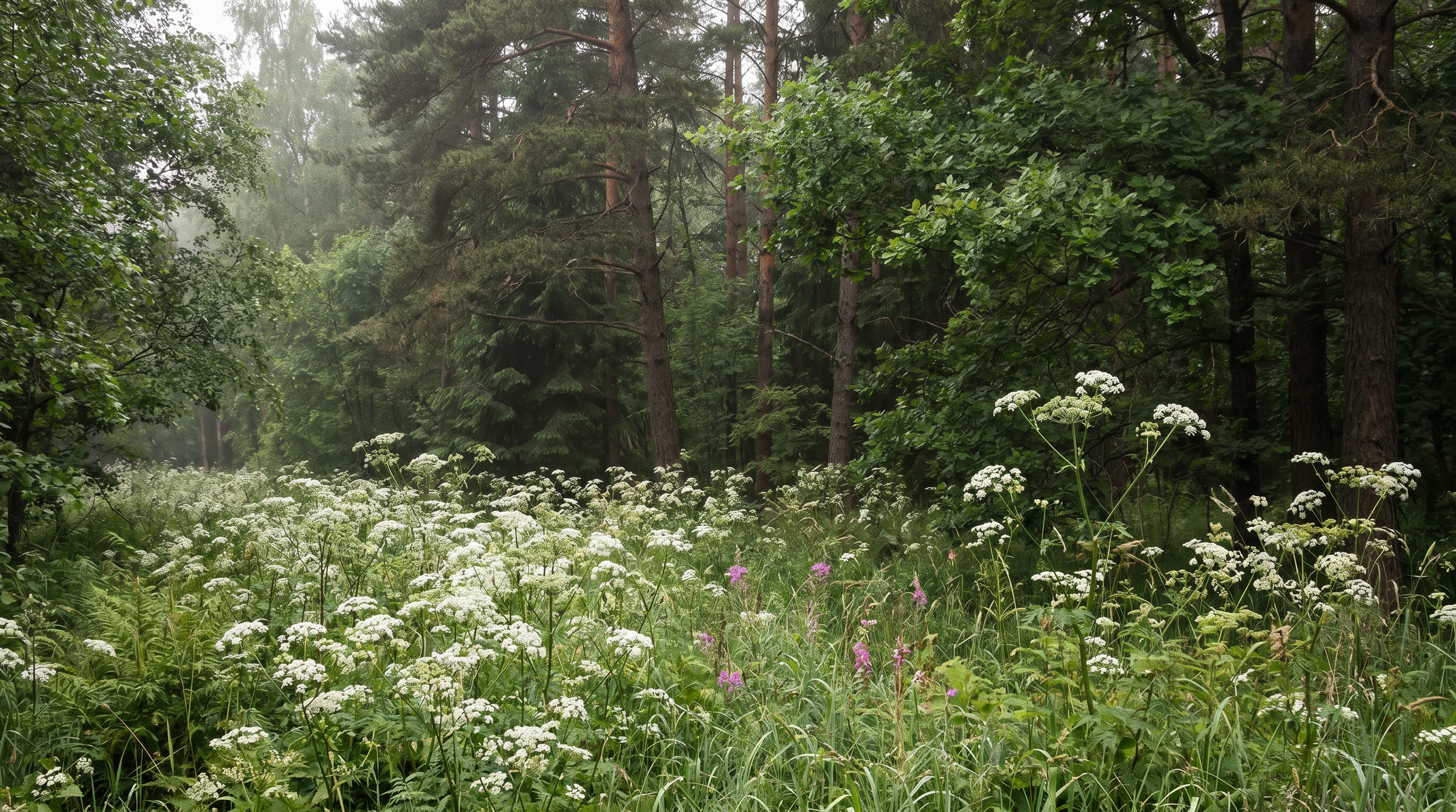
At Purist Honey, our bees forage within the Sam Houston National Forest, one of Texas’s most biodiverse ecoregions. Abundant rainfall, rich soils, and seasonal plant variety produce nectar naturally high in polyphenols—the plant-derived antioxidants found in honey. This ecological richness gives each harvest its depth of flavor, darker color, and naturally elevated antioxidant levels.
With deep Texas pride, our mission is to honor this Pineywoods eco region—highlighting how honey from this region supports human health while advocating for the preservation of a fragile ecosystem.
Texas Piney Woods Eco-Region
The Piney Woods ecoregion, is a critical biodiversity hub spanning 163,000 acres of upland pine, hardwood, and bottomland habitats. Receiving approximately 50% more rainfall than other areas of Texas, the region supports dense, continuous nectar and pollen flows throughout the season.
More than 60% of forage comes from the forest canopy, making the health of these trees central to the character of the honey. This layered, forest-driven forage environment is a key reason our honey develops its darker color, greater complexity, and naturally higher antioxidant concentration.
High-Potency Nectar & Pollen
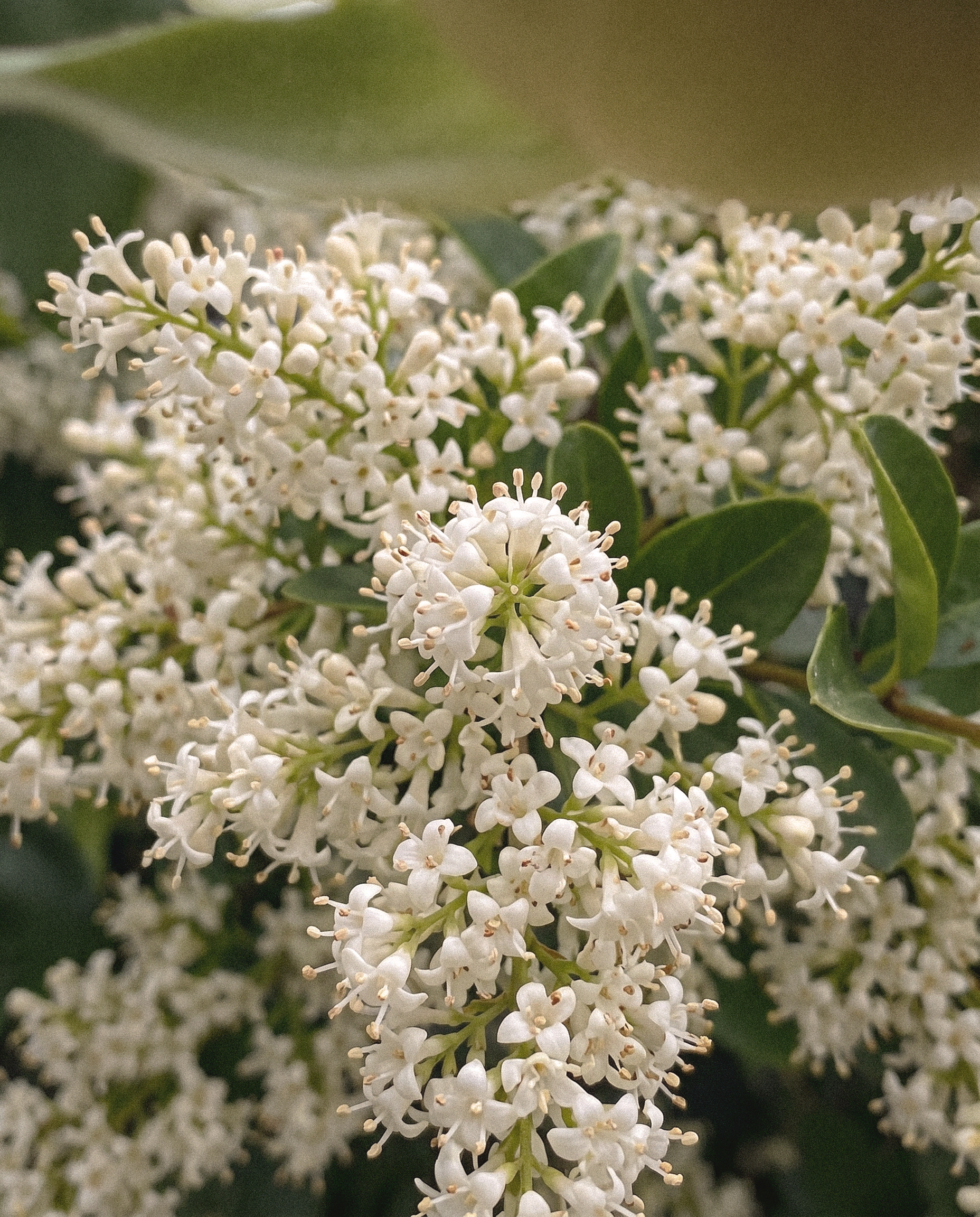
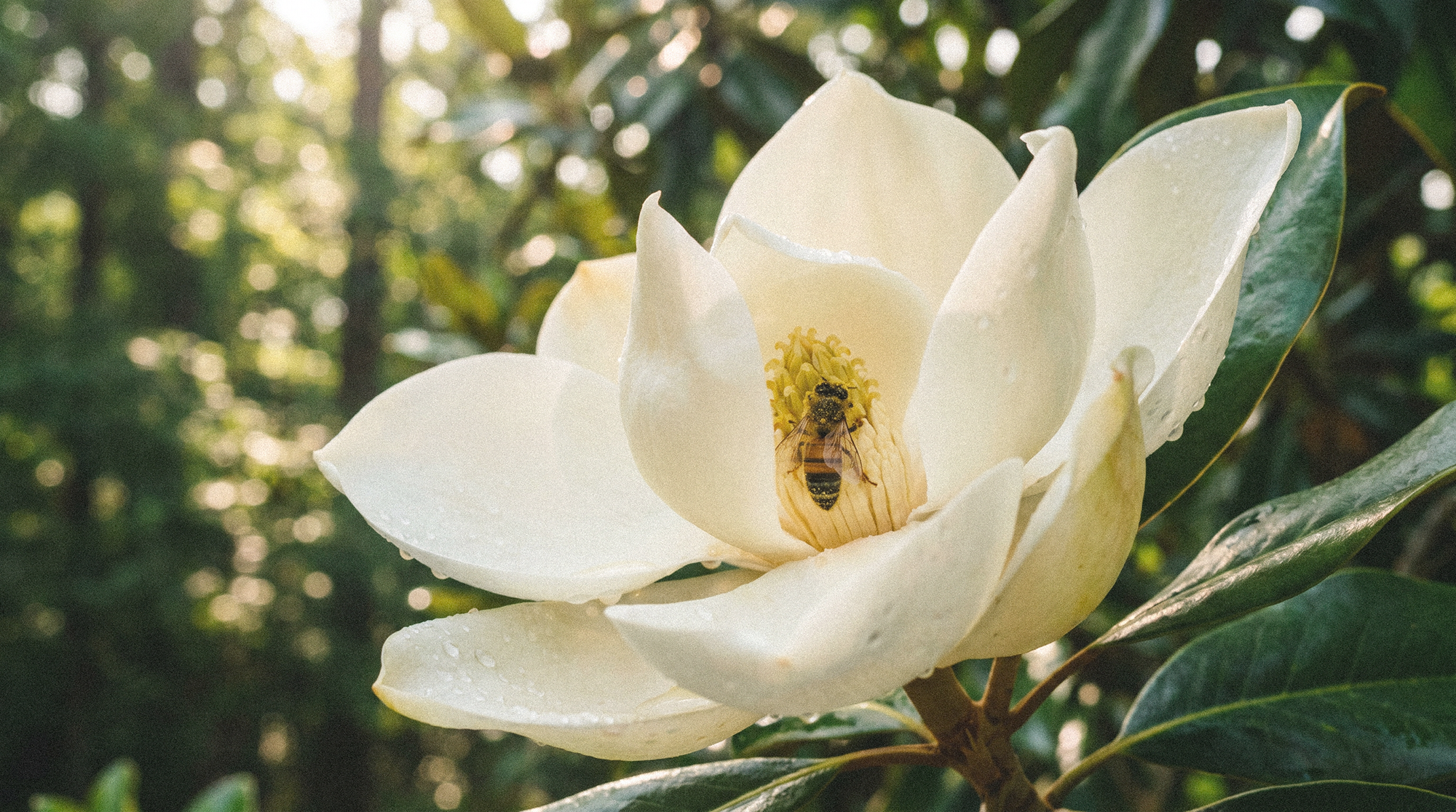
Our honey draws from a diverse range of native plant species known to elevate polyphenol levels—naturally occurring antioxidants in honey—including Red Bud, Hawthorn, Yaupon Holly, Southern Magnolia, Dogwood, Viburum, Privet and so many more.
Because our bees forage exclusively from their natural environment—and are never fed sugar water or synthetic pollen substitutes—natural pollen remains present in the hive and integrates into the honey. Pollen itself is rich in phenolic compounds, making it a contributor to antioxidant density.
The result is honey with naturally occurring anti-inflammatory properties that help reduce oxidative stress, support cellular repair, and promote long-term vitality—a raw, pure superfood rooted in botanical integrity.
Seasonal Variations & Antioxidant (Polyphenol) Peaks
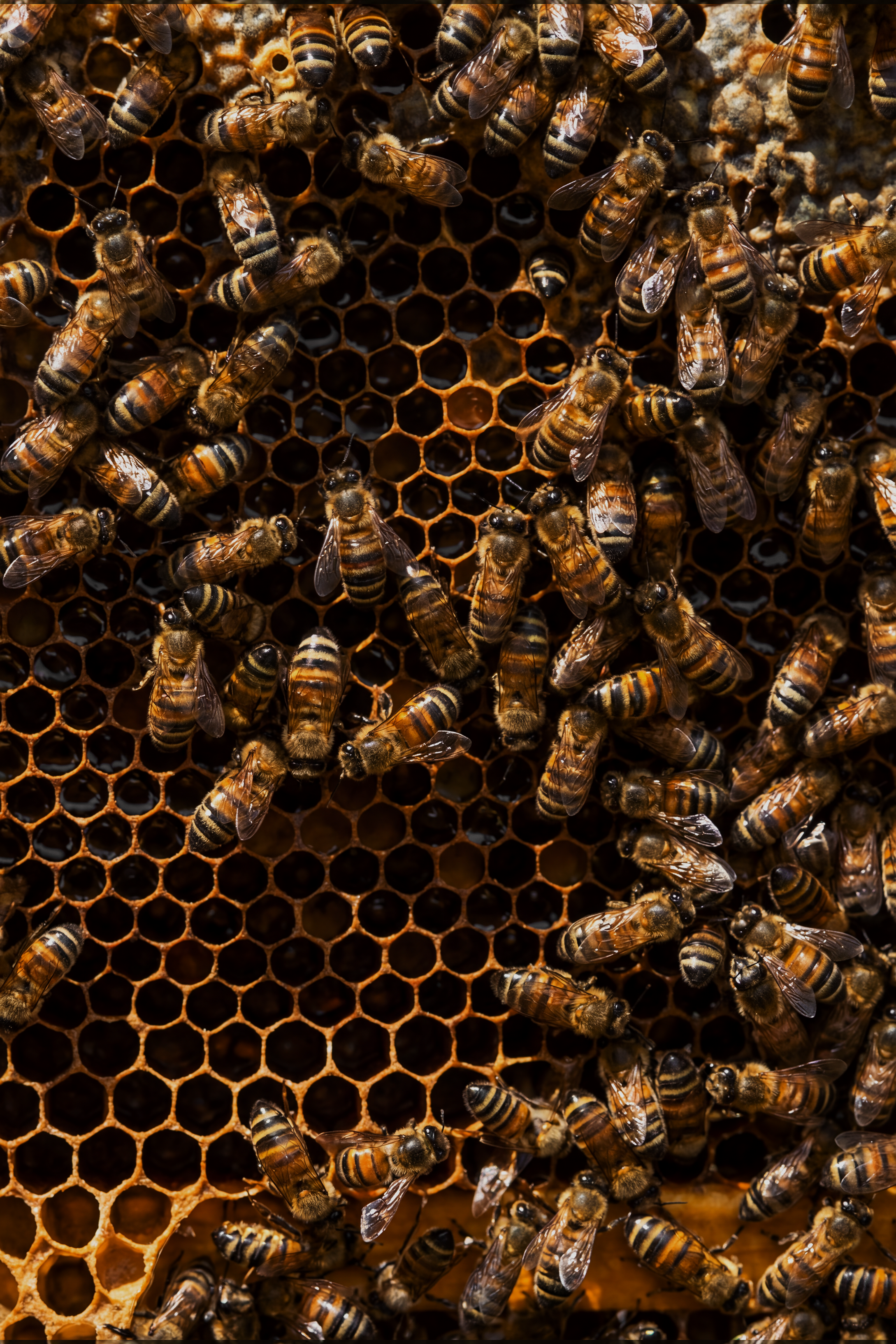
Peak polyphenol levels—the antioxidants in honey—depend on time, season, and allowing honey to mature in the hive. Bees naturally ripen it by adding enzymes and gently reducing moisture, which concentrates sugars, minerals, and polyphenols. Trace propolis, rich in phenolic compounds, further enhances antioxidant content without additives.
By maintaining strong colonies, leaving ample honey stores, and avoiding sugar or synthetic feed, bees feed on the same antioxidants we harvest. This supports disease resistance, colony vitality, and ecosystem resilience amid chemical exposure and dwindling forage.